Pitching
Part of PR outreach operations
Tracking replies without treating silence as consent
Classify journalist replies, keep unanswered pitches accurate and assess each follow-up as a new decision.
Track what a journalist says and what the team does in response.
An unanswered pitch remains unanswered. It is not an expression of interest, permission for repeated messages or evidence of consent to commercial email. Interest in one item does not imply an invitation to send unrelated pitches.
Use reply states that lead to action
Give the conversation owner states based on observable messages:
| Reply state | Next action |
|---|---|
| No reply | Leave as unanswered; assess whether any further contact is justified. |
| Automated or out-of-office response | Note useful availability information, but do not count it as editorial interest. |
| Request for information or interview | Record the request, owner and any agreed deadline. |
| Decline of this story | Close the angle unless the journalist invites an update. |
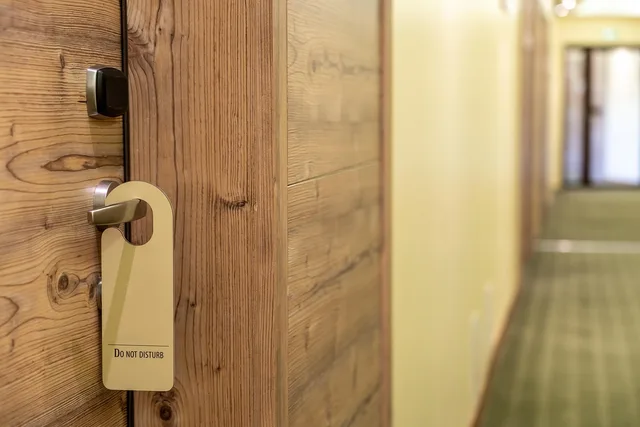
| Request to stop contact | Pause further sends and apply the requested restriction. |
Keep the message or a faithful summary with its date. If a reply contains several instructions, record each.
A journalist might request a data table while declining inclusion on a general distribution list. Fulfilling the table request does not remove the list restriction.
Reply States and Appropriate Actions for PR Pitches
- No reply
- Leave as unanswered; assess whether further contact is justified.
- Automated or out-of-office response
- Note availability info, but do not count as editorial interest.
- Request for information or interview
- Record request, owner, and agreed deadline.
- Decline of this story
- Close the angle unless journalist invites an update.
- Request to stop contact
- Pause further sends and apply restriction.
Make follow-up a fresh decision
Before following up, check the earlier message, the story’s continuing relevance, other sends to the same person and any restriction. Record what useful information the next message adds.
A new table, corrected figure or confirmed interview availability may serve a clear purpose. A reminder asking only whether the first email was seen offers less. Record the reason, owner and actual send.
If a proposed follow-up is a commercial electronic message, the Spam Act 2003 sets out rules about sending commercial electronic messages. Check the current requirements before sending. Silence after a pitch remains silence; record it as no reply, not as permission.
Don’t treat a published work address alone as permission for unrelated promotions. Record it as contact details, not as blanket permission.
Close the loop accurately
Log the substance of a reply rather than labelling the journalist a ‘warm lead’. ‘Asked for a chart’ tells the team what to do. Assign an owner, establish what can be supplied and respond accurately if the request cannot be met. A later silence does not turn the earlier request into acceptance of something else.
At campaign close, resolve outstanding commitments and cancel scheduled messages that no longer have a purpose. Report replies and fulfilled requests separately from pitches sent.
Key Principles in Handling Journalist Replies
- Silence = No consent
- Do not treat unanswered pitches as permission for repeated messages.
- Published work address ≠ blanket permission
- Use only for contact; do not assume consent for unrelated promotions.
- Log substance, not labels
- Record 'asked for a chart' instead of labelling as 'warm lead'.
- Resolve commitments at campaign close
- Cancel scheduled messages without purpose; report fulfilled requests separately.