Pitching
Part of Digital PR built on earned coverage
Digital PR versus sponsored placement
Compare earned digital PR and sponsored placement by editorial control, booking terms, reader identification and reporting.
The practical difference is who decides whether an item appears. With earned digital PR, a publication independently decides whether and how to use material a business offers. With sponsored placement, a commercial agreement provides for space or content under the publisher’s terms. Both can reach readers, but a bought item should not be counted as independent coverage.
| Decision point | Earned coverage | Sponsored placement |
|---|---|---|
| Publication | An editor can publish, change the angle or decline. | The agreed placement is subject to its contract and the publisher’s rules. |
| Brand control | The brand supplies material and answers questions; it does not normally approve the editorial story. | Format, timing and approval rights depend on the agreement. |
| Certainty | Placement is not guaranteed. | A placement can be booked; audience response is not guaranteed. |
| Reader identification | The item is presented as editorial only if it was produced independently. | Its commercial nature should be clear to readers. |
Choose according to the brief
Use an earned approach when the information can withstand independent scrutiny and the publication’s audience has reason to care. Budget for preparation and outreach, but do not treat publication as a deliverable. A journalist may use the information to tell a different story from the one the business expected.
Consider sponsorship when a specified format, timing or message is essential. Before booking, check the publisher’s audience, placement terms, presentation and approval process. A sponsored item can be useful, but payment does not establish independent endorsement.
The distinction concerns the publisher arrangement. Hiring a PR adviser or commissioning research does not automatically make a journalist’s independently chosen article sponsored. Calling a paid publisher item a ‘feature’ does not make it earned.
Check identification, claims and links
Make the commercial relationship apparent wherever a sponsored item appears, including previews that could otherwise look like editorial recommendations. Ask the publisher how it will present the item. Do not assume every contract provides the same wording, placement or approval rights.
The ACCC can require businesses to back up claims they make about their products or services. If a business misleads, the ACCC can investigate and may take compliance or enforcement action.
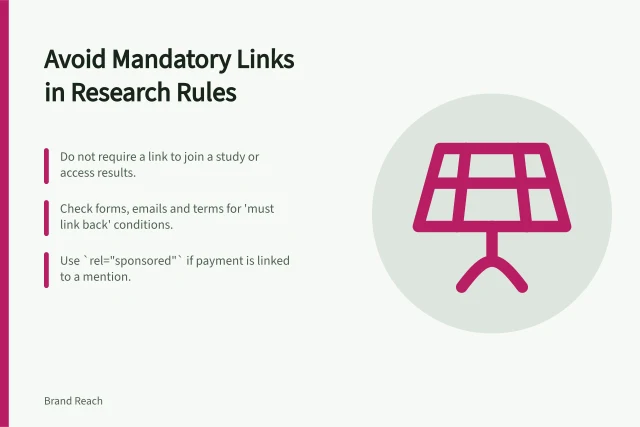
If a sponsored item contains a paid link, Google’s guidance says the publisher should mark it with rel="sponsored". Google recommends rel="nofollow" only when other values do not apply and the publisher prefers Google not to associate its site with, or crawl, the linked page.
This concerns links in Google Search. It is separate from how the item is identified to readers, and it offers no guarantee of search performance. Confirm what the publisher will implement.
Regulatory and Platform Guidelines Overview
- ACCC claim requirements
- Businesses must substantiate claims; non-compliance may lead to enforcement action
- Google sponsored link tag
- `rel="sponsored"` required for paid links in search results
- Editorial independence standard
- Independent coverage must not be misrepresented as sponsored
Report each result accurately
Record independent coverage and paid placements separately. For each, note the published wording, context, audience fit and any observable response. Assess a paid placement against its booked terms.
Assess earned coverage against the communication objective and what the publication actually conveyed. Neither category alone proves that readers trusted the brand or acted because of one item.